
What Is Live Selling? How It Works Across TikTok, Shopee & More [2026]
Learn what live selling is, how it works on TikTok Shop, Shopee Live, and other platforms, and why it's becoming essential for ecommerce sellers in 2026.

Learn what live selling is, how it works on TikTok Shop, Shopee Live, and other platforms, and why it's becoming essential for ecommerce sellers in 2026.
Live selling blends real-time video streaming with online shopping, letting sellers showcase products, answer viewer questions, and close sales without ever leaving a single broadcast. What started as a niche tactic in China’s live commerce scene is now a global market worth roughly US$173 billion in 2025 and on track for around US$230 billion in 2026, according to Grand View Research. Asia Pacific alone accounts for 66.8% of that spend, which is precisely why it matters so much for sellers in this region. If you sell on platforms like TikTok Shop, Shopee, or Lazada, live selling is no longer optional in 2026. It is how your competitors are already winning customers.
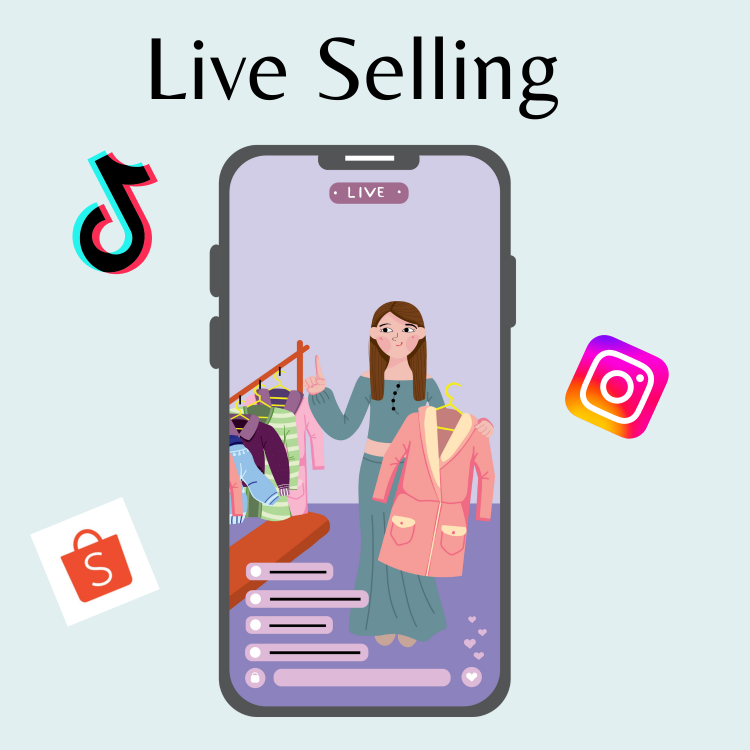
Live selling is the process of selling products during a live-streamed video broadcast. A host showcases items, demonstrates how they work, answers questions from viewers in real time, and encourages instant purchases through integrated shopping features. Unlike traditional ecommerce where customers browse static listings, live selling creates an interactive, event-driven shopping experience that combines entertainment with commerce.
The concept originated in China, where platforms like Taobao Live generated over $7.5 billion in sales during a single 11.11 shopping festival. In Southeast Asia, TikTok Shop and Shopee Live have brought live selling mainstream, with TikTok Shop’s LIVE selling driving significant GMV growth across Singapore, Malaysia, Thailand, and the Philippines.
In traditional ecommerce, customers browse product listings at their own pace. Live selling flips this dynamic:
Actionable Insight: If you’re already selling on multiple marketplaces, live selling is one of the highest-ROI activities you can add. The infrastructure is built into platforms you’re already using. TikTok Shop, Shopee Live, and Lazada LazLive all have native live selling tools.
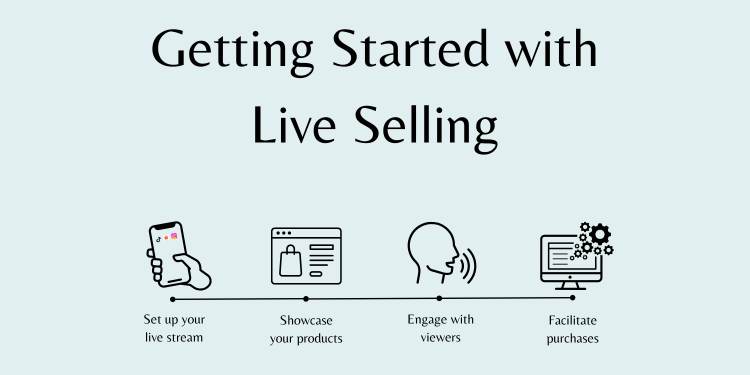
Choose Your Platform: Pick where your audience already shops. TikTok Shop suits younger demographics, Shopee Live suits Southeast Asia, and Facebook Live offers broader reach.
Set Up Your Products: Tag products in the platform’s live selling dashboard so viewers can tap to buy during the stream.
Prepare Your Content: Plan demonstrations, talking points, and special offers. The best live sellers mix education with entertainment.
Go Live and Engage: Respond to comments, answer questions, and call out viewers by name. Interaction drives sales.
Fulfil Orders Promptly: Orders from live sessions need fast fulfilment to maintain trust. Use tools like OneCart to sync inventory across platforms automatically.
Not all live selling platforms are created equal. Here’s how the major options stack up for ecommerce sellers in 2026:
| Platform | Best For | Built-In Shopping | Commission | Key Feature |
|---|---|---|---|---|
| TikTok Shop LIVE | Younger audiences, viral reach | Yes, in-app checkout | 2-8% (see fee breakdown) | Algorithm pushes live content to non-followers |
| Shopee Live | Southeast Asia sellers | Yes, Shopee cart integration | Platform commission applies | Shopee Coins rewards drive repeat viewers |
| Lazada LazLive | Southeast Asia (Alibaba ecosystem) | Yes, Lazada cart integration | Platform commission applies | LazLive vouchers and flash deals |
| Facebook Live | Broad demographics, community groups | Via third-party tools | No platform commission | Large existing audience base |
| Instagram Live | Fashion, beauty, lifestyle | Instagram Shopping integration | No platform commission | Visual-first format suits product demos |
| YouTube Live | Long-form demonstrations, tech products | YouTube Shopping | Varies | SEO longevity, live replays keep getting search traffic |
The critical difference: TikTok Shop and Shopee Live have native shopping carts built directly into the livestream. Viewers buy without leaving the app. Facebook and Instagram require external links or third-party integrations, adding friction that reduces conversions.
When you sell across multiple live platforms, inventory management becomes the real challenge. A product sold on TikTok LIVE needs to instantly reduce stock on Shopee and Lazada. OneCart handles this automatically with real-time inventory sync across all your connected platforms.
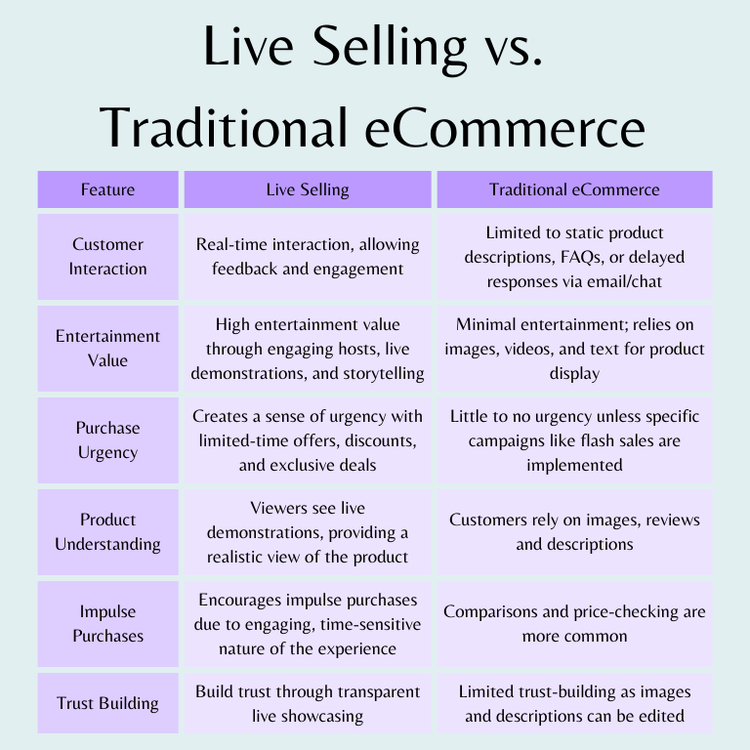
Live selling creates genuine two-way conversations. Viewers ask about sizing, see products from different angles on request, and get immediate answers. This builds trust in ways that product photos and reviews cannot. For sellers on social commerce platforms, live sessions create a community of repeat buyers who return for each broadcast.
The combination of real-time demonstration, social proof (seeing others buy), and time-limited offers makes live selling one of the highest-converting sales channels. The urgency of a live session, the classic “only 5 left at this price”, drives decisions that static listings simply cannot.
When customers watch a host demonstrate a product live, showing its actual size, colour, texture, and functionality, they know exactly what they’re buying. This transparency reduces the expectation gap that causes returns in traditional ecommerce, cutting return rates by 30-40% for live-sold items.
Live chat comments are a goldmine of product feedback. You’ll learn which colours customers want, what price points trigger purchases, and which product features matter most, all without running expensive market research. This data directly informs your purchasing and pricing strategy.
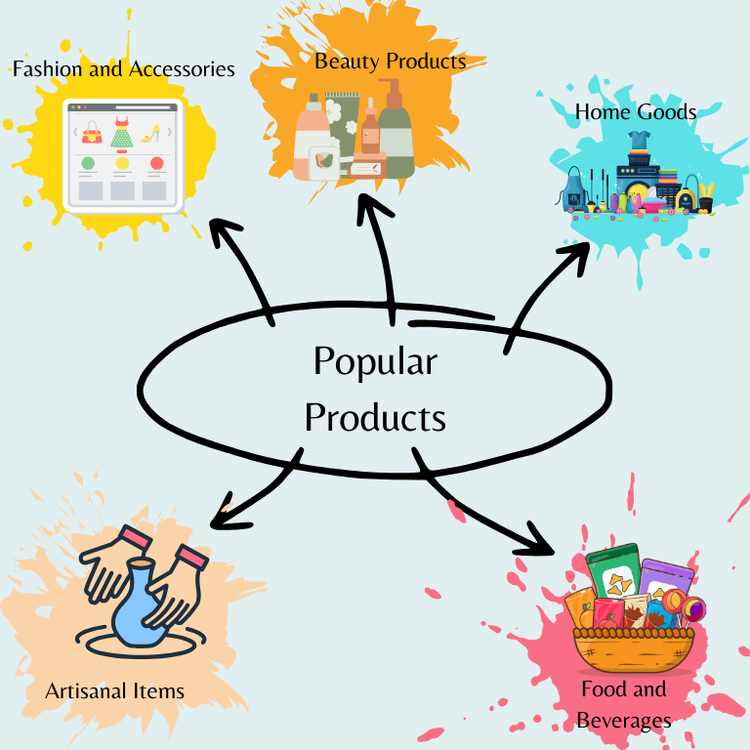
Not every product benefits equally from live selling. The format works best for items where seeing them in action adds value:
Fashion and Accessories: Try-ons, styling combinations, and fabric close-ups. Fashion dominates TikTok Shop LIVE sales across Southeast Asia.
Beauty and Skincare: Real-time application, before/after demonstrations, and ingredient explanations. Beauty is the #1 live selling category globally.
Electronics and Gadgets: Unboxing, feature demonstrations, and real-world usage tests.
Home Goods: Functionality demos, size comparisons, and styling in real spaces.
Food and Beverages: Cooking demonstrations, taste tests, and packaging showcases.
Artisanal and Handmade Items: Origin stories, craftsmanship demonstrations, and limited-edition reveals.
Actionable Insight: When selling across multiple categories during live streams, inventory accuracy becomes critical. A product sold live on TikTok Shop needs to instantly update your stock on Shopee, Lazada, and your Shopify store. OneCart handles this real-time sync automatically so you can focus on the performance, not the spreadsheet.
Poor video quality, audio problems, or unstable connections kill viewer trust instantly. In live selling, there are no second takes.
Solution: Invest in a ring light ($30-50), a clip-on microphone ($15-30), and use a phone tripod for stability. Test your internet speed before going live. You need at least 10 Mbps upload for smooth HD streaming. Many successful Shopee Live sellers use nothing more than a recent smartphone with good lighting.
Viewers scroll away if the stream becomes monotonous. The average live selling viewer decides whether to stay within 8 seconds of joining.
Solution: Structure your stream in segments. Lead with your best product, drop a flash deal every 10-15 minutes, call out viewer names when they comment, and use “like goals” to unlock discounts (e.g., “When we hit 500 likes, I’ll reveal a 20% off code”). On TikTok, the algorithm rewards high engagement, so more comments and shares mean more viewers pushed to your stream.
Your biggest live selling nightmare: a product goes viral during a stream, you sell 200 units, but you only have 150 in stock across all channels. Now you’re cancelling orders and damaging your seller rating.
Solution: Use multichannel inventory management that syncs stock levels in real time. OneCart connects your TikTok Shop, Shopee, Lazada, Shopify, and WooCommerce stores, ensuring that a sale on one platform immediately reduces available stock on all others.
A successful live session can generate hundreds of orders in minutes. If your fulfilment process can’t handle the spike, late shipments will tank your seller metrics.
Solution: Prepare inventory and packing materials before going live. Use packing slip templates to streamline your fulfilment workflow. Automate order processing through your connected platforms so orders flow directly to your picking and packing team.
TikTok Shop Dominance: TikTok Shop’s LIVE selling feature has become the fastest-growing live commerce channel globally. In Southeast Asia, TikTok LIVE sellers regularly generate $10,000+ per session with engaged audiences. Read our complete guide to selling on TikTok Shop to get started.
AI-Powered Live Selling Tools: Platforms now offer AI-generated product descriptions, automated highlight reels from live sessions, and smart product recommendations based on viewer behaviour during streams.
Affiliate Live Selling: Rather than hosting your own streams, you can partner with TikTok Shop affiliates who sell your products on their livestreams for a commission. This lets you leverage established creators’ audiences without building your own following.
Cross-Platform Simulcasting: Sellers are streaming simultaneously on TikTok, Shopee Live, and Facebook to maximise reach. This requires robust inventory sync to prevent overselling across platforms.
Shoppable Video Replays: Live session recordings are being repurposed as shoppable content on product pages and social media, extending the selling window beyond the live broadcast.
Social Commerce Integration: Live selling is merging with broader social commerce strategies where content, community, and commerce happen on the same platform.
The biggest operational challenge for live sellers isn’t the streaming itself. It is managing everything behind the scenes. When you sell on TikTok Shop, Shopee, Lazada, and your own Shopify store, each live session affects inventory across all channels.
OneCart solves this by connecting all your sales channels into a single dashboard:
Whether you’re doing one live session a week or streaming daily across three platforms, having your operations centralised means you can focus on the performance, the product demos, the audience engagement, and the selling, while OneCart handles the logistics.
Most live sessions that flop do so before the host ever goes live. The streams that convert are planned like a small TV show, with a clear run of show, rehearsed product moments, and offers timed to the energy of the room. Here is a simple structure you can reuse for every broadcast.
Block your session into 10 to 15 minute segments, each anchored by one hero product and one reason to buy now. A typical 60-minute stream might run: a 5-minute warm-up to gather viewers, three 15-minute product blocks, and a 10-minute closing push with your strongest discount. Write down the order, the price points, and the exact voucher codes before you start, so you are never improvising the commercial part.
Know your numbers cold. The margin you can afford to give away in a flash deal depends on your true cost per sale, and on marketplaces that means platform commission plus payment fees. Check the real take rate on each channel first using our Shopee seller fees and TikTok Shop seller fees breakdowns, then run a quick margin check with the free ecommerce profit margin calculator so your live-only prices still leave you profitable.
Actionable Insight: Decide your discount floor before you go live, not in the heat of a session when viewers are pushing for “one more drop”. A pre-set floor protects your margin and keeps your pricing consistent across platforms.
Views and likes feel good, but they don’t pay the bills. To know whether live selling is actually working, track the metrics that connect audience attention to revenue, and review them after every session so you can double down on what sells.
| Metric | What It Tells You | Healthy Signal |
|---|---|---|
| Average watch time | Whether your content holds attention | Rising session over session |
| Concurrent viewers | Reach at any given moment | Stable or climbing through the stream |
| Conversion rate | Share of viewers who buy | 5-10% is strong for live |
| GMV per session | Total sales from one broadcast | Grows as you refine the format |
| Engagement rate | Comments and shares per viewer | High rates earn more algorithmic reach |
| Return rate on live orders | Quality of expectation-setting | Lower than your store average |
The single most useful habit is a post-stream review. Note which product blocks drove the most carts, which price points triggered buying, and where viewers dropped off. Over a few weeks this turns live selling from a gamble into a repeatable channel. For the operational side, pull every live order into one place so your reporting is accurate, which is exactly what a unified order management system gives you across marketplaces.
Live selling is the practice of selling products during a live video broadcast. A host showcases items, demonstrates features, answers viewer questions in real time, and enables instant purchases through platform-integrated shopping carts. Platforms like TikTok Shop, Shopee Live, and Lazada LazLive all support native live selling with built-in checkout.
For Southeast Asian sellers, TikTok Shop and Shopee Live are the strongest platforms. TikTok Shop’s algorithm actively pushes live content to new viewers, making it excellent for discovery. Shopee Live benefits from its established buyer base. For Western markets, TikTok Shop and YouTube Live Shopping are growing fastest. See our TikTok Shop guide for a detailed setup walkthrough.
Earnings vary dramatically based on audience size, product category, and platform. In Southeast Asia, emerging TikTok Shop sellers report $500-2,000 per session, while established live sellers with large followings regularly generate $10,000+ per stream. The key metric is conversion rate. Live selling typically converts at 5-10% of viewers, compared to 1-3% for standard ecommerce listings.
You can start with just a smartphone, good lighting (a ring light costs $30-50), and a stable internet connection (10+ Mbps upload). As you grow, add a clip-on microphone ($15-30), a phone tripod, and a backdrop or product display area. The content and engagement matter far more than production quality. Many top TikTok Shop sellers use nothing more than a phone and a table.
The biggest risk during live selling is overselling, when a product goes viral but your stock doesn’t reflect sales across all channels. Use a multichannel inventory management tool like OneCart that syncs stock in real time across TikTok Shop, Shopee, Lazada, Shopify, and other platforms. This ensures that a sale on one platform instantly reduces available stock everywhere else.
Yes. Live selling has a lower barrier to entry than most marketing channels. You don’t need a large advertising budget, professional video equipment, or a massive following to get started. TikTok Shop’s algorithm is particularly favourable to new sellers because it actively pushes live content to users based on interest, not follower count. Start with one session per week, showcase your best products, and build from there.
Consistency beats frequency. For most sellers, one to three sessions a week at the same time builds a habit with your audience and gives the algorithm a regular signal to push your content. Going live daily can work for high-volume sellers with deep catalogues, but only if you can keep the energy and the offers fresh. Start with a weekly slot, measure your results, and scale up once the format is converting.
Look past views and likes to the metrics that map to revenue: conversion rate, GMV per session, average watch time, and the return rate on live orders. Subtract platform commission and payment processing from each sale to get your true margin, then compare the time and discount cost of a session against the profit it generates. Centralising orders from every channel in one dashboard makes this reporting accurate rather than a guess.
Ready to start live selling across multiple platforms? OneCart connects your TikTok Shop, Shopee, Lazada, Shopify, and WooCommerce stores, so you can go live with confidence, knowing your inventory is always in sync. Start your free trial today.
OneCart unifies inventory, orders and listings across Shopee, Lazada, TikTok Shop, Amazon, Shopify and 20+ other platforms. List once, sell everywhere.
Try OneCart freeUsed by hundreds of merchants in Singapore & Southeast Asia