10 Best Social Commerce Platforms to Sell More in 2026
Compare 10 social commerce platforms — TikTok Shop, YouTube Shopping, Instagram, Shopee Live & more. Fees, live selling tips, and how to choose the right channel for 2026.
Compare 10 social commerce platforms — TikTok Shop, YouTube Shopping, Instagram, Shopee Live & more. Fees, live selling tips, and how to choose the right channel for 2026.
Selling directly through social media platforms is now a $1.5 trillion global market in 2025, on track to top $2 trillion by 2028, and the fastest-growing sales channel for multichannel sellers. Whether you’re already on Shopee, Lazada, or TikTok Shop, adding social commerce means reaching customers where they actually spend their time: scrolling, watching live streams, and discovering products.
In Southeast Asia especially, platforms like Shopee Live, LazLive, and TikTok Shop have turned live selling into mainstream shopping behaviour. Meanwhile, YouTube Shopping and Snapchat are emerging as serious contenders globally. Below, we compare 10 social commerce platforms, break down their fees and features, and share practical strategies to help you sell more across every channel in 2026.
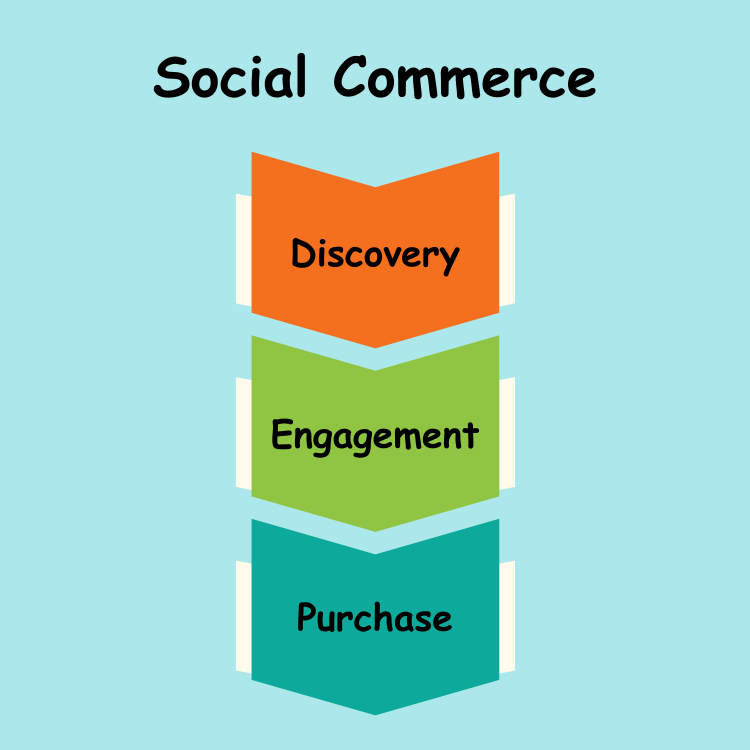
Social commerce is the integration of social media platforms and eCommerce, allowing businesses to sell products directly through social networks. Unlike traditional eCommerce, where customers navigate to a separate website to make purchases, social commerce enables shopping experiences within platforms like Instagram, Facebook, TikTok, and Pinterest.
This model goes beyond just displaying products—it combines shopping with engagement. Customers can explore products, read reviews, ask questions, and complete purchases without leaving the app. Social commerce turns likes, shares, and comments into sales opportunities.
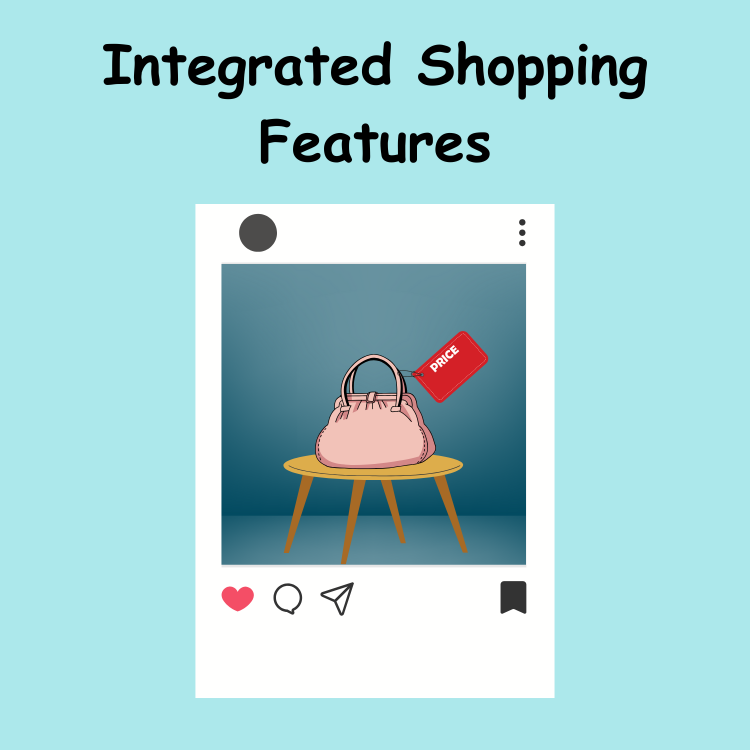
Integrated Shopping Features:
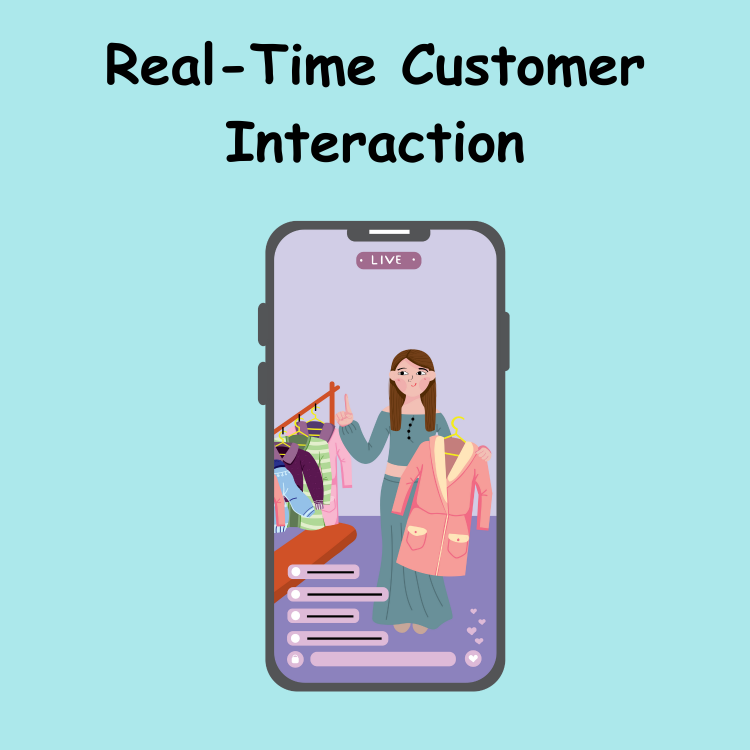
Real-Time Customer Interaction:
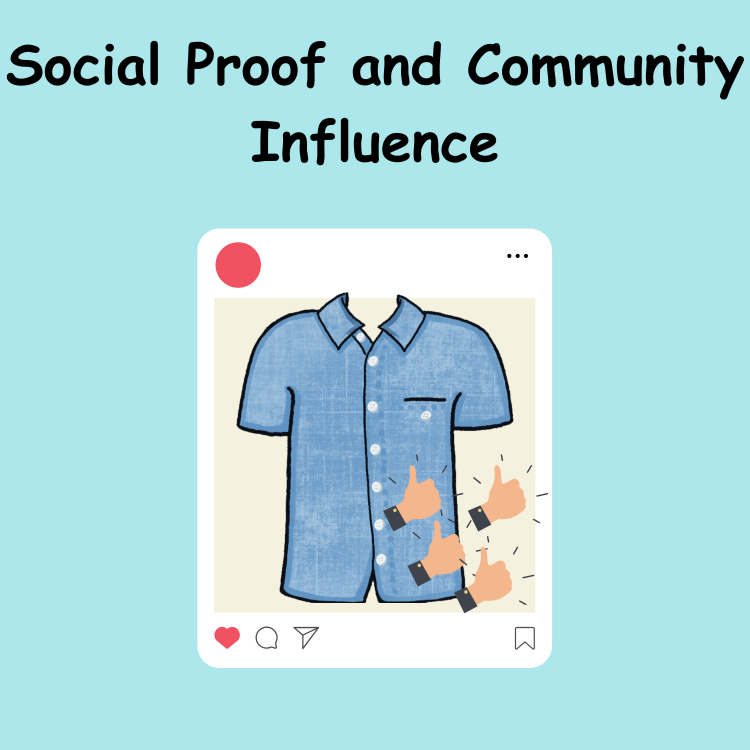
Social Proof and Community Influence:
Seamless Checkout:
Social commerce transforms traditional marketing by embedding the shopping journey into customers’ social activities. For example:
By merging entertainment, interaction, and shopping, social commerce offers a unique opportunity for businesses to engage customers, drive sales, and build brand loyalty—all in one place.
Social commerce is more than just a new sales channel—it’s a transformative approach that combines engagement, convenience, and trust-building to drive business growth. By leveraging the unique features of social platforms, brands can connect with their audience in ways traditional eCommerce cannot.
Social commerce enables businesses to engage with customers directly through comments, likes, shares, and live interactions. Unlike static online stores, social commerce allows for real-time conversations and feedback, creating a dynamic shopping experience that keeps customers engaged.
Social media platforms have billions of active users, offering businesses unparalleled access to potential customers. Social commerce leverages this vast user base, enabling brands to target specific demographics through ads, influencer collaborations, and platform algorithms.
Social commerce minimizes friction in the buying process by integrating product discovery, engagement, and checkout into a single platform. Customers can seamlessly browse, interact with, and purchase products without leaving the app.
The visual and interactive nature of social platforms, combined with features like limited-time offers and real-time influencer endorsements, drives impulse buying. Customers are more likely to make spontaneous purchases when they’re engaged and excited by a product in the moment.
Social commerce fosters trust by showcasing reviews, likes, and shares. Seeing a product endorsed by friends, influencers, or a community builds confidence in its quality and authenticity.
Social platforms provide businesses with detailed analytics on customer behavior, preferences, and engagement. These insights help brands tailor their offerings, improve targeting, and optimize marketing strategies.
In 2026, social commerce is thriving across both Western and Asian markets, with platforms offering increasingly sophisticated tools for product discovery, live selling, and in-app checkout. Here’s how the major platforms compare for ecommerce sellers.
TikTok Shop has become the fastest-growing social commerce platform globally. Its worldwide GMV roughly doubled to $64.3 billion in 2025 (up from around $33 billion in 2024), a 94% year-on-year jump as the platform expanded to 16 markets. Its short-form video format turns viral trends into instant sales.
Instagram remains the go-to platform for visually driven brands, with its shopping features deeply integrated into posts, stories, reels, and the Explore tab.
Facebook Shops provides one of the most comprehensive social commerce setups, with deep integration across Meta’s ecosystem including Messenger and WhatsApp.
Facebook Shops vs Facebook Marketplace: Facebook Shops are branded storefronts with no transaction fee from Meta. Facebook Marketplace is a separate peer-to-peer channel that charges a 10% selling fee on shipped items — use our fee calculator to estimate your real profit.
Pinterest’s visual discovery engine makes it uniquely powerful for products that sell on aesthetics and inspiration — home decor, fashion, DIY, and food.
YouTube is the world’s second-largest search engine with over 2.5 billion monthly active users, and it’s rapidly becoming a major social commerce channel. YouTube Shopping lets creators and brands tag products directly in videos, Shorts, and live streams — turning product reviews, tutorials, and unboxings into shoppable content.
Actionable Insight: YouTube Shopping’s advantage over TikTok Shop is content longevity. A TikTok video peaks in 24-48 hours; a YouTube product review can generate sales for months or years. If you’re investing in video content, consider YouTube for evergreen product discovery alongside TikTok for viral short-term spikes.
Snapchat has carved out a unique position in social commerce through augmented reality (AR) shopping experiences. With over 800 million monthly active users and strong penetration among 13-34 year-olds, Snapchat’s AR try-on lenses and native checkout make it a growing channel for beauty, fashion, and eyewear brands.
Messaging apps have evolved from customer support tools into full commerce channels, especially in Asia where WeChat Mini Programs handle over $250 billion in annual transactions.
Choosing the right platform depends on your target audience, product category, and region. Here’s a side-by-side comparison of all 10 social commerce platforms covered in this guide:
| Platform | Monthly Users | Best For | Seller Fees | Live Selling | In-App Checkout | Key Region |
|---|---|---|---|---|---|---|
| TikTok Shop | 1.5B+ | Trending products, Gen Z | 2-8% referral | Yes | Yes | Global + SEA |
| Instagram Shopping | 1.3B+ | Fashion, beauty, lifestyle | Free (ad costs) | Yes | US only | Western markets |
| Facebook Shops | 3B+ | Broad demographics, SMBs | Free | Yes | Yes | Global |
| Pinterest Shopping | 500M+ | Home decor, DIY, inspiration | Free | No | Via retailer | US, Europe |
| YouTube Shopping | 2.5B+ | Video-driven products, electronics | Store fees only | Yes | Via Shopify | Global |
| Snapchat Commerce | 800M+ | AR try-on, Gen Z fashion/beauty | Ad costs only | No | Yes (Snap Store) | US, Europe |
| WhatsApp Commerce | 2B+ | High-touch, B2B, personalised | Free | No | Via catalogues | SEA, India, LATAM |
| WeChat Mini Programs | 1.3B+ | Full commerce ecosystem, China | Platform fees vary | Yes | Yes | China |
| Shopee Live | 350M+ | SEA marketplace sellers | Shopee fees | Yes | Yes | Southeast Asia |
| Lazada LazLive | 150M+ | SEA mega-sale events | Lazada fees | Yes | Yes | Southeast Asia |
Actionable Insight: Most successful multichannel sellers don’t pick just one platform — they sell across 3-5 channels simultaneously. The challenge is keeping inventory, pricing, and orders in sync. Use multichannel listing software to manage product catalogues across platforms, and inventory sync tools to prevent overselling during live events.
With ten platforms to weigh up, the question is not “which is best?” but “which is best for my product, my market, and the content I can realistically produce?” Spreading thin across every channel at once is the most common way sellers burn time and oversell stock. Use the four filters below to shortlist two or three platforms to start with, then expand once your operations are stable.
Geography decides more than any other factor. The platform your buyers already shop on beats the platform with the best feature list.
| If you sell… | Lead platforms | Why |
|---|---|---|
| Beauty, supplements, fashion | TikTok Shop, Instagram, Shopee/Lazada Live | Visual, demo-friendly, impulse-driven |
| Home decor, DIY, aspirational goods | Pinterest, Instagram | Discovery happens through inspiration boards |
| Electronics, fitness, higher-ticket items | YouTube Shopping | Buyers need longer demonstration before purchase |
| Eyewear, cosmetics, footwear | Snapchat (AR try-on) | AR try-on lifts purchase intent ~2.4x |
| B2B, high-touch, custom orders | WhatsApp, Facebook (Messenger) | Conversational, 1-to-1 selling |
Social commerce is content-driven, not search-driven. Pick the format you can sustain:
Referral fees range from free (Instagram, Facebook Shops, Pinterest) to 2-8% on TikTok Shop and the SEA marketplaces, before ad spend and affiliate commissions of 10-25%. Model the full stack before committing — our ROAS calculator shows the break-even return your ad spend must clear, and the customer acquisition cost calculator tells you whether a channel pays for itself once content and commission costs are included. If your gross margin cannot sustain a 20% affiliate commission, the creator channel may not be viable in that category.
Actionable Insight: Start with two platforms, not seven — one marketplace-native channel (Shopee Live or TikTok Shop) and one owned channel (Instagram or YouTube tied to your store). Prove the content and fulfilment workflow on those before adding more, and connect them to a single inventory system from day one so expansion never means overselling.
Southeast Asia is the global epicentre of social commerce, driven by high mobile penetration, young demographics, and cultural affinity for social shopping. TikTok Shop’s SEA GMV alone more than doubled to $45.6 billion in 2025, with Indonesia ($13.1 billion) now its second-largest market worldwide. In 2026, live selling has become the dominant social commerce format in the region.
Shopee’s in-app live streaming feature lets sellers showcase products in real time to Shopee’s massive user base. It’s particularly effective during mega-sale events like 11.11, 12.12, and pay-day campaigns.
Lazada’s live selling feature mirrors Shopee Live and is especially popular in markets like Thailand, Indonesia, and the Philippines. Sellers can schedule streams, offer stream-exclusive vouchers, and feature products with one-tap add-to-cart.
TikTok Shop in Southeast Asia has grown rapidly since its 2022 launch. In Indonesia alone, TikTok Shop generated over $5 billion in GMV in 2024 before briefly shuttering and relaunching. The platform’s strength is viral discovery — products can go from unknown to sold-out in hours through creator-driven content.
Actionable Insight: If you’re selling on multiple social commerce platforms (Shopee Live + TikTok Shop + your own Shopify store), inventory synchronisation becomes critical. A flash sale on one channel can deplete stock before orders from other channels are fulfilled. Use multichannel inventory management software to keep stock levels accurate in real time.
The platforms above are not standing still. Five shifts are reshaping how sellers operate in 2026 — ignore them and your playbook from two years ago will quietly stop working.
AI-matched creators and shoppable content. TikTok and other platforms now auto-pair products with relevant creators based on audience overlap and conversion history, shortening the weeks of manual outreach that affiliate programmes used to demand. Expect AI-generated product cards and auto-translated live subtitles to become standard.
Live commerce keeps eating share. Live selling already drives a majority of social commerce GMV in markets like Thailand and Indonesia. The format is spreading west through TikTok LIVE and YouTube live shopping, with conversion rates several times higher than static posts.
Cross-border maths got harder. The end of the US de minimis duty-free threshold (under EO 14324, effective 29 August 2025) means parcels into the US now incur duty regardless of value. Sellers shipping cross-border to the US from Asia must rebuild their pricing with full duty included — calculate your true landed cost before setting social commerce prices.
Platform-owned fulfilment is levelling the field. Fulfilled-by-TikTok and similar marketplace logistics programmes now offer fast, platform-handled shipping comparable to Amazon FBA — narrowing the speed gap that used to favour large sellers.
Owned channels are hedging against algorithm risk. With organic reach increasingly gated behind paid promotion, smart sellers pair social discovery with an owned store (Shopify, WooCommerce) plugged into YouTube and Instagram, so a single algorithm change cannot wipe out their sales overnight.
Actionable Insight: Treat social commerce as a portfolio, not a bet. Pair a high-growth discovery channel (TikTok Shop) with an evergreen one (YouTube Shopping) and an owned store, then keep inventory synced across all three so a viral spike on one never oversells the others.
Thriving in social commerce requires more than just being present on platforms. It demands a strategic approach that combines engagement, convenience, and trust-building. Here are actionable strategies to help businesses maximize their social commerce potential.
Influencers play a pivotal role in social commerce by amplifying reach and building trust. Collaborating with the right influencers allows brands to tap into highly engaged audiences.
Action Steps:
Social commerce thrives on real-time interaction. Content that encourages participation and fosters a sense of community drives higher engagement and conversions.
Action Steps:
Personalized experiences resonate more with customers, making them feel valued and understood. Tailor your offerings and communication to individual preferences.
Action Steps:
Efficient order processing and delivery are crucial in social commerce. Customers expect quick turnarounds and updates on their purchases — especially in Southeast Asia, where same-day and next-day delivery are becoming the norm on platforms like Shopee and Lazada.
Action Steps:
Trust is essential in converting social media users into buyers. Social proof—such as reviews, testimonials, and influencer endorsements—can significantly influence purchase decisions.
Action Steps:
Data is your best friend when optimising social commerce strategies. Most platforms provide analytics to help businesses track performance and adjust campaigns.
Action Steps:
Urgency drives action. Offering limited-time discounts or exclusive deals for social media followers encourages immediate purchases.
Action Steps:
While social commerce offers immense opportunities, it also comes with unique challenges. Understanding these obstacles and implementing strategies to overcome them will help businesses maximize their success in this space.
Managing inventory across multiple social commerce platforms — alongside traditional marketplaces — can lead to overselling, stockouts, or delays, all of which harm the customer experience.
The Challenge:
Solution:
Social commerce spans multiple platforms, each with its own format and audience. Ensuring consistent messaging and branding can be difficult.
The Challenge:
Solution:
Technical issues, such as payment failures or platform downtimes, can disrupt the customer experience and lead to lost sales.
The Challenge:
Solution:
New or smaller brands often struggle to build trust in a competitive social commerce environment.
The Challenge:
Solution:
Social media algorithms determine what content is shown to users, making it challenging for brands to maintain visibility.
The Challenge:
Solution:
Social commerce campaigns often involve multiple touchpoints, making it difficult to measure the return on investment (ROI) accurately.
The Challenge:
Solution:
Social commerce thrives on trends, but keeping up with rapidly changing customer preferences can be overwhelming.
The Challenge:
Solution:
Social commerce combines social media and shopping, allowing users to discover, engage with, and purchase products directly on platforms like Instagram, TikTok, and Facebook. eCommerce typically involves shopping on dedicated online stores or marketplaces such as Amazon or Shopify, with less emphasis on social engagement. The key difference is that social commerce embeds the entire purchase journey — discovery, consideration, and checkout — within the social platform itself.
The best platform depends on your audience and region:
If you’re selling across multiple platforms, use multichannel listing software to manage your presence efficiently.
Social commerce uses interactive tools such as live streams, polls, shoppable posts, and real-time chat to create engaging shopping experiences. Customers interact directly with brands, ask questions about products during live sessions, and receive real-time responses. Features like flash deals during live streams, countdown timers, and limited-quantity drops create urgency that drives conversions.
Tools like OneCart are essential for managing inventory synchronisation across social commerce platforms and traditional marketplaces. When running simultaneous live selling sessions on Shopee Live and TikTok Shop, real-time stock updates prevent overselling. Platform-specific analytics tools (TikTok Analytics, Meta Business Suite) help refine campaign performance.
Most social commerce platforms are free to list on. TikTok Shop charges 2-8% referral fees depending on category and region. Instagram and Facebook Shopping are free to set up (costs are in advertising). Facebook Marketplace charges a 10% selling fee on shipped items. Shopee and Lazada charge marketplace fees on each transaction. The main variable costs are advertising spend, content creation, and inventory management tools for multichannel sellers.
YouTube Shopping is increasingly valuable for sellers whose products benefit from video demonstrations — electronics, beauty, fitness equipment, and cooking tools. Unlike TikTok, where content peaks in 24-48 hours, a YouTube product review can generate sales for months or years through search and recommendation algorithms. Integration with Shopify makes checkout seamless, and there are no marketplace listing fees. The main investment is in producing quality video content that educates and converts viewers.
For sellers already creating product content on TikTok, repurposing that content as YouTube Shorts is a low-effort way to test the platform. YouTube’s shopping affiliate programme also lets you work with established creators who already have engaged audiences in your product niche.
Social commerce in 2026 is no longer optional for ecommerce sellers — it’s a core sales channel alongside traditional marketplaces. The platforms that matter most depend on your market: TikTok Shop and Instagram Shopping for global reach, YouTube Shopping for long-form product discovery, Shopee Live and LazLive for Southeast Asia, Snapchat for AR-driven Gen Z commerce, and Facebook Shops for broad-demographic targeting.
The biggest operational challenge is managing inventory across these social channels alongside your existing marketplace presence on Shopee, Lazada, and Shopify. When you’re running a live stream on TikTok Shop while processing orders from Shopee and YouTube simultaneously, real-time inventory synchronisation prevents the overselling disasters that live selling events can create.
Selling across social commerce platforms and traditional marketplaces? OneCart synchronises your inventory across Shopee, Lazada, TikTok Shop, Shopify, WooCommerce, and more — so a flash sale on one channel doesn’t oversell on another. Start your free trial.
OneCart unifies inventory, orders and listings across Shopee, Lazada, TikTok Shop, Amazon, Shopify and 20+ other platforms. List once, sell everywhere.
Try OneCart freeUsed by hundreds of merchants in Singapore & Southeast Asia